
The market in the short term runs on Liquidity, so understanding it helps a ton.
One of the most recurring problems traders have is trading against a sweep. It helps avoid unnecessary losses.
Let’s break it down, but let’s first understand:
What is Liquidity?
Swing Points: Swing Highs and Lows.
As well as Previous Candle Highs/Lows (PCH/L), because these on the Lower Timeframe are Swing Points.
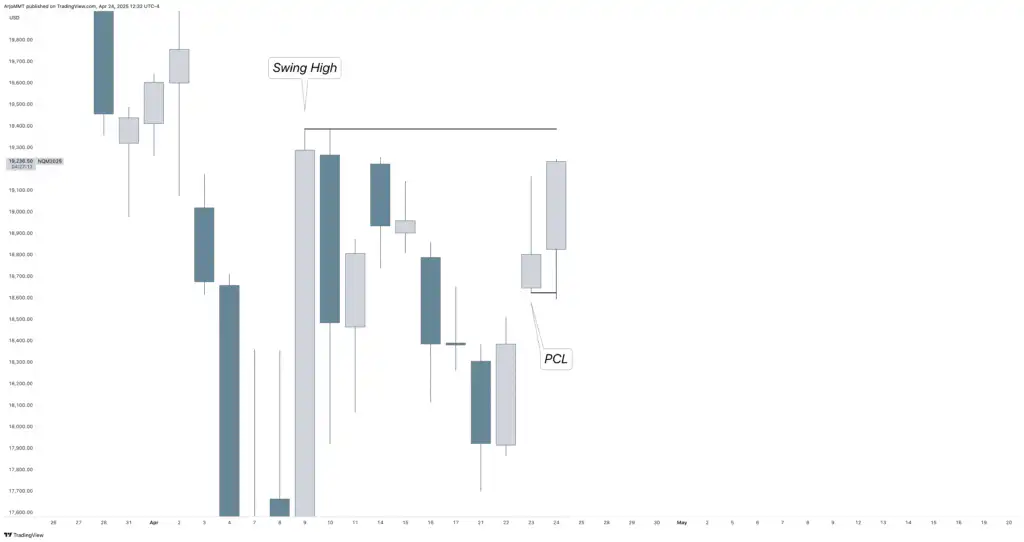
The 2 Options
Whenever we trade below a Swing Low, there are generally 2 things we can do:
- Run the Liquidity
- Sweep the Liquidity
These are two opposites: a Run is a continuation, but a Sweep is a reversal.
Understanding the difference is understanding whether we’re Comfortable below the Low.
Not Comfortable
Sweeps are aggressive moves, not lethargic.
Why?
First, understand that for every buy order, there needs to be a sell order, and for every sell order, there needs to be a buy order.
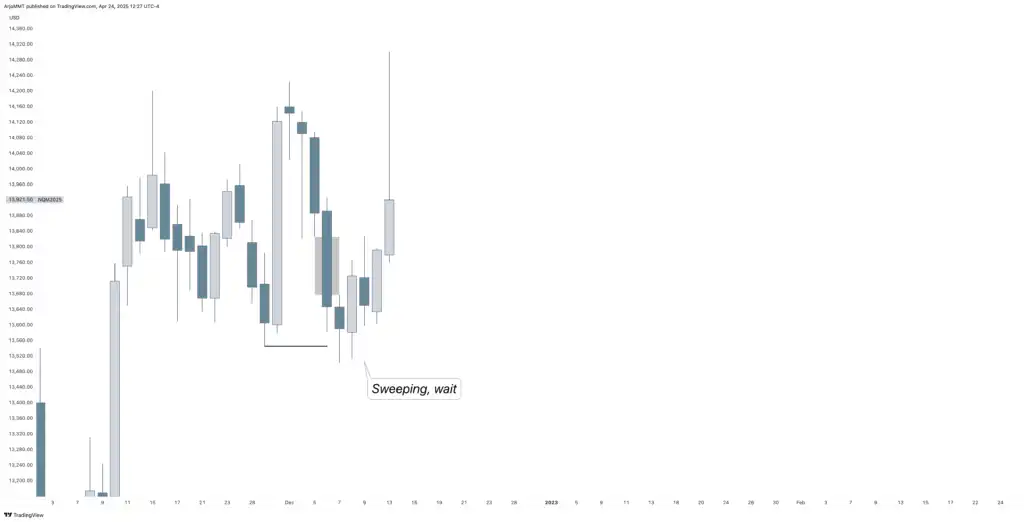
A liquidity sweep is a trap. For example, if we trade below a Swing Low, then large sell stop orders will be activated.
Simultaneously, on the opposite side, buy orders are getting activated, someone taking the opposite trade.
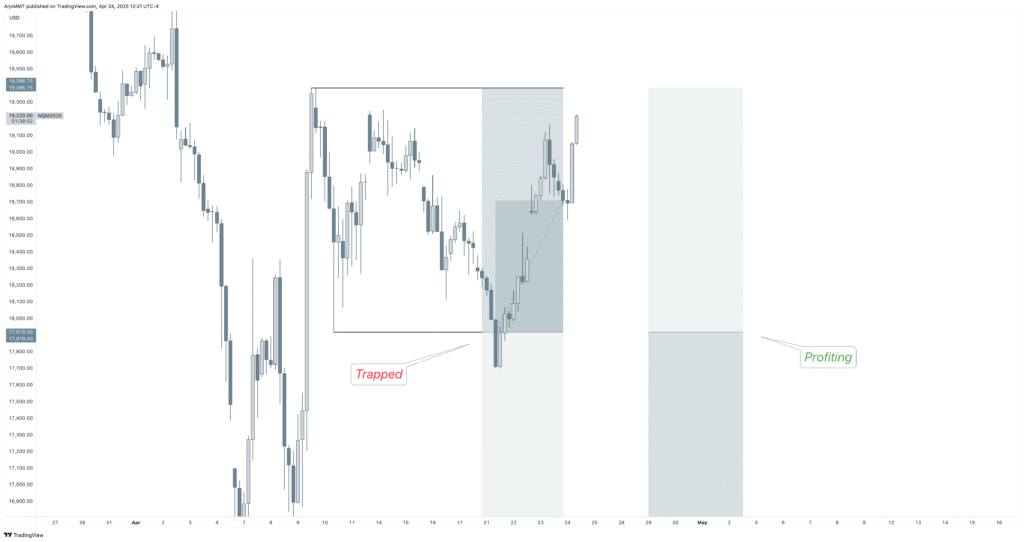
The sells need to stay trapped in order for the buys to hit their Take Profit.
They can’t allow them to mitigate the position early, because then the Take Profit of the buys can’t match with the sells’ Stop Loss.
Where will their Stop Loss be? At recent Swing Highs.
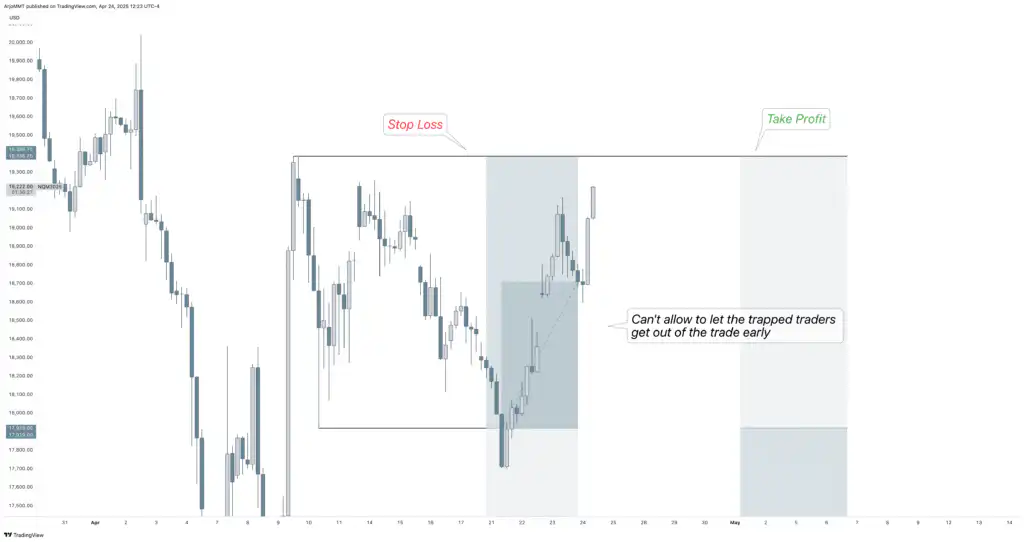
This is a sweep: aggressive.
Comfortable
But if we’re comfortable below a Swing Low, then it means that there’s no one getting trapped, so no need to reach opposing liquidity.
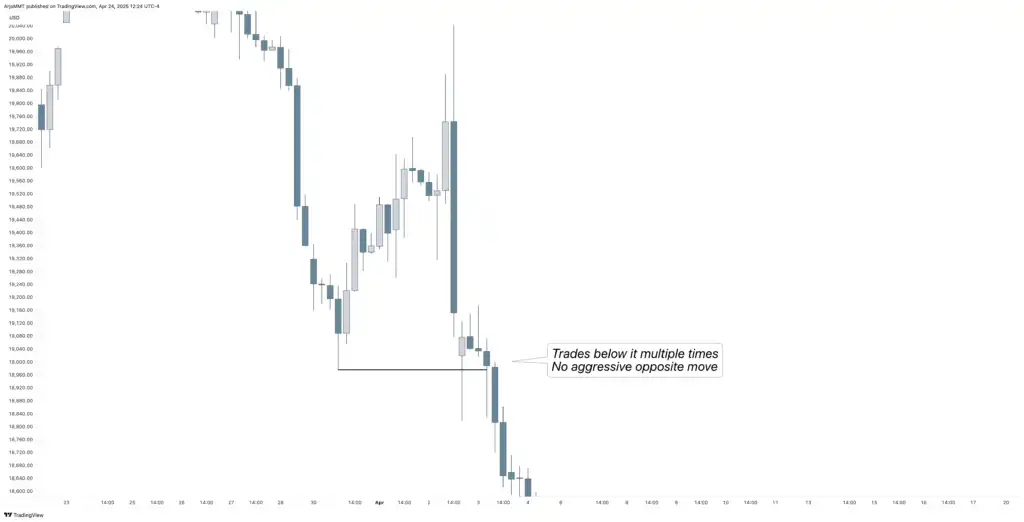
In this case, we can say we’re running the liquidity and we can continue in the same direction.
Trading Against a Sweep
So when you see this, you’re trading against a potential sweep. This is low probability, you ideally want to wait for that 2nd sting below it.
We have a dedicated High Probability Module in the MMT, exactly explaining what is High Probability to trade and what isn’t, with an accompanying indicator.
Always here if you need me!
Arjo Janssens — MMT