
Options vs Futures: Which Should Beginners Trade?
October 30, 2025
Options and futures are both instruments that let you speculate on market price movements. While both may seem similar in terms of buying and selling a commodity or security, the two derivatives are fundamentally different. This guide goes through the comparison between options vs futures to help you find one suitable for your trading
Disclaimer: This is for education only, not financial advice. Trading involves risks where you can lose money!
Key Takeaways
- Options lessens the risk by giving you a choice to not execute the order, at the exchange of paying a premium for the contract’s right.
- Futures are executed at the specified date, letting you purchase assets without paying a premium.
- An options contract premium is based on the underlying price movement, expiration period, and its moneyness factor.
Understanding Options and Futures
As discussed in our what is forext trading guide, two instruments let you buy or sell an asset at a specific date for a specific price. To further help you understand the difference between options vs futures, we define each of them below:
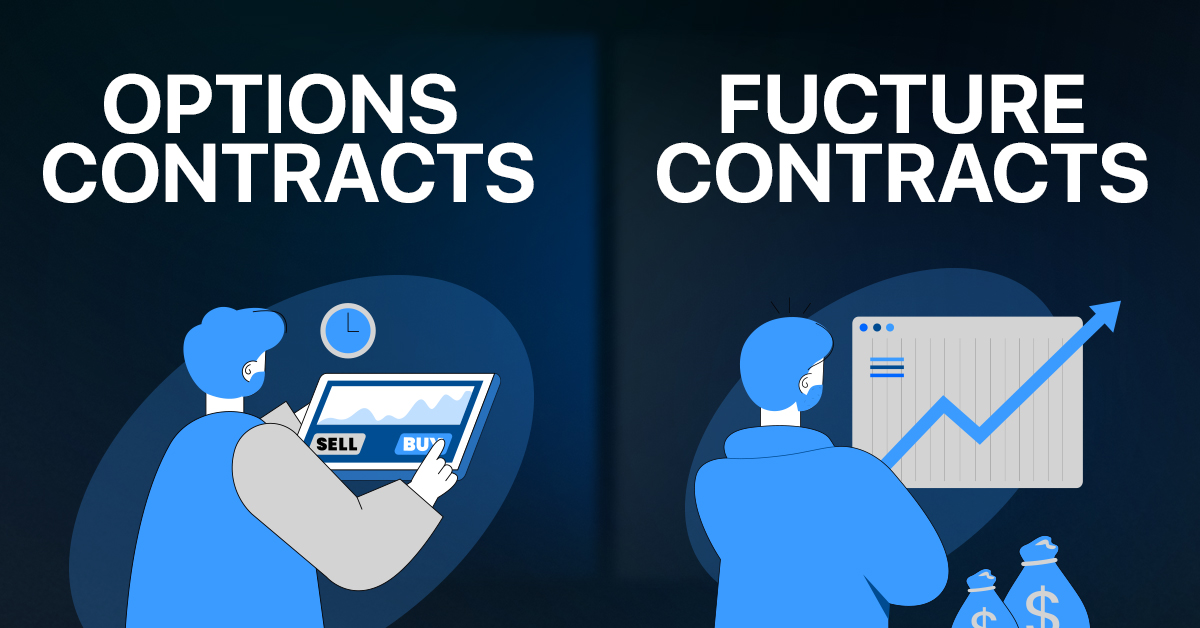
Trading Options
Options are contracts that give you the right to buy or sell an asset at the agreed price. Note that this is a right, not an obligation, to complete the contract. If the price of an asset puts you at a disadvantage or you believe there is a better option, you can choose not to complete the contract.
An important aspect of options is the premium attached to each contract. The seller or writer of the contract sets the premium prices and will receive the amount. As a buyer, you still have to pay the premium of an option even if you choose not to.
Here is an example: a technology company called Bike has shares trading at $50. A seller places a put option to purchase Bike shares at $55 with a premium of $1 that expires within 30 days. Buyers can buy this option for $1 and let the contract run before it expires.
Should Bike shares rise to $60, buyers can complete the contract to buy the asset at $55. If shares drop to $40, the buyer does not complete the contract while the seller retains their asset and keeps the premium.

Trading Futures
Futures are contracts that obligate you to buy or sell an asset at the agreed price. Both buyer and seller of a futures contract must complete it before or on the expiration date. Even if an asset’s price is moving against your chosen price, you still need to buy or sell it.
There is no premium when buying futures. However, the buyer cannot opt out of the contract. In a comparison between options vs futures, the lack of a premium shows how this type of contract appeals to traders.
An example of a futures contract is WTI Crude Oil. The current price is $62.50, and the trader can sell it at $68 within a specific period. When another trader accepts the contract, the writer relinquishes their asset to the buyer at the strike price of $68 and receives the payment.
While futures do not have a premium, you need to have a margin trading account. Margin trading enables most traders to buy and sell futures contracts. This type of account lets you borrow money from the broker when trading securities. The platform requires you to deposit money as collateral in case of losses.

Put and Call
There are two other options when purchasing an options contract:
- Put: lets you sell an asset. Those who are using this option are shorting an asset they believe will experience a downtrend.
- Call: lets you buy an asset. A call option or a call futures contract is for traders taking a long position if they believe the market will experience an uptrend.
Uses of Options and Futures
Who would trade these two derivatives? Below are the two common uses for both options and futures to answer that question:
- Hedging: Companies or individuals facing a possible financial loss for an asset are likely to take options or a futures contract. Hedging with these trading instruments allows the involved parties to profit from price movements and offset their losses.
- Speculative: Futures and options are common trading instruments in the speculation market. Participants can purchase either contract to take advantage of an asset’s price movement.
Do not get lost in the financial terms. Join MMT Beginners, which will map out the complicated trading scene to help you make that first smart trade. You get lifetime access to valuable information for only 1 EUR.
Comparison Between Options vs Futures
After gaining a basic understanding of the two instruments, we proceed to examine the differences between them. Here is a comparison of options vs futures:
Purchasing Costs
When you buy an options contract, you are paying for that obligation or flexibility to purchase an asset at a specific price. Similar to other assets, an options premium is often determined by the value of the asset, the strike price, the expiration date, the volatility of the market, and “moneyness” of the contract. To simplify this concept, the higher the intrinsic value of an option or its profitability potential, the higher its premium.
To summarize how options premiums are affected:
- Underlying Price Movement: Premiums for calls increase as the price moves up, while premiums for puts increase as the price moves down.
- Moneyness Factor: If an option is “in the money,” where it is likely to result in a gain, the premium increases. Should it be “out of the money,” where you will experience losses, the premium decreases.
- Expiration Period: An option’s premium is higher when there is more time to expiration.
Futures also have a similar purchasing-cost factor in their margins since these are not fixed. Brokerages will set higher margins to protect traders from volatile markets.
Below are the possible reasons for a higher margin requirement:
- Breaking News: Any major political or economic event can trigger an increase in margins.
- Holidays or Break Periods: Magins regularly increases hours before the weekend or holiday when the market closes.
In terms of purchasing costs, futures are the better option since margins are fixed for most trades. While certain brokerages will increase their margin requirements during highly volatile periods or before a market break, it does not rise the way an options contract does.
Time Decay Factor
Another disadvantage of an options contract is time decay. As mentioned before, a contract with more time before it expires has a higher premium. This is due to the moneyness of that available time. When you have more time before a contracts expire, the wider the window for prices to move in your favor and complete the contract. This window of opportunity increases the probability of that contract generating profit.
There is no time decay when it comes to a futures contract. When these contracts are formed, it is executed before or on the expiration date. Futures contract maintain their value.
Risk Factor
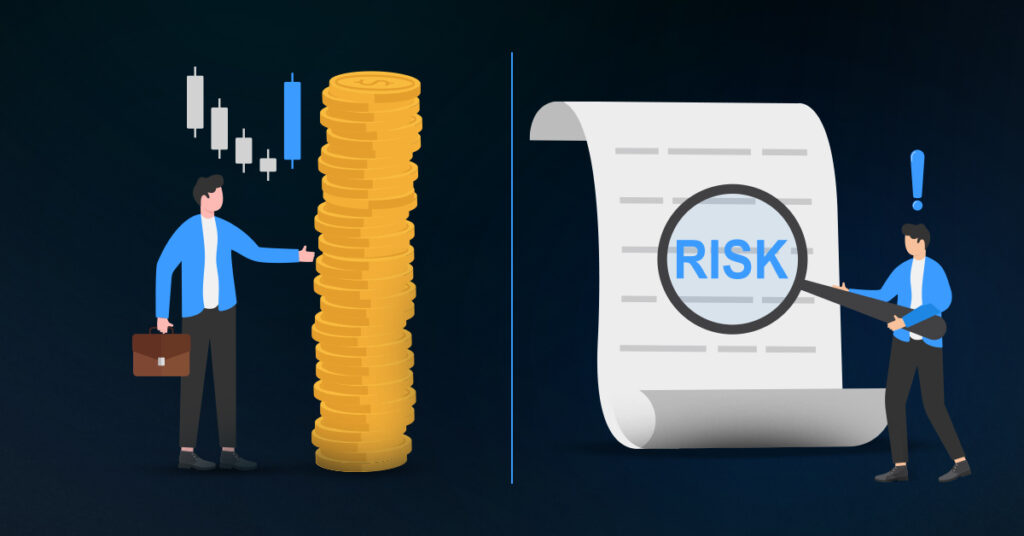
Despite the premium costs and gradual decrease in value, options are the least risky contract for new traders compared to futures. If you were to buy an options contract and the price moves against you, you can always choose not to complete the contract and accept the premium as your loss.
Unfortunately, a futures contract is a binding contract between buyers and sellers. No matter where the market moves, you are fully committed to the asset you are buying or selling. In addition, futures are riskier because of the margins, which can rise due to breaking news or market breaks. There is a chance of facing margin calls if the price moves significantly against you.
Final Word: Choosing Between Options vs Futures
The choice not to complete the contract is one of the defining differences between options and futures. Options are less risky since you have the choice of allowing the contract to expire and avoiding large losses. However, futures contracts let you obtain assets at optimum strike prices at a low cost. Join MMT Beginner to better understand the market, which can help you choose between all the trading derivatives
FAQ: Options and Futures Contract
For new traders, which type of contract to buy first?
Options are the best choice over futures due to their low-risk setup. If you are going to experience losses with an options contract, you can choose to let it expire and accept the premium as your loss. If the price of an asset moves against you significantly, you may be required to add more funds to your account should you trigger a margin call.
What is the shortest expiration date for an options contract?
The shortest are the zero days to expiration (0DTE), which are set to only last for one day. These are the types of options exchanged by day traders who take advantage of short-term price movements. Traders can use them for scalping or spread strategies.
What are LEAPS options contracts?
These are long-term equity anticipation securities (LEAPS) options that have the longest expiration dates. A contract can last around one to three years, which usually expires in January.
When I trade futures, how can I avoid a margin call?
Always set a stop-loss order for your positions. If the market were to move against you, the stop-loss prevents further losses that trigger a margin call. It also pays to have additional cash funds to your account when you want to take advantage of upcoming price movements while you have active positions.